
Every Moment Counts in Early Childhood
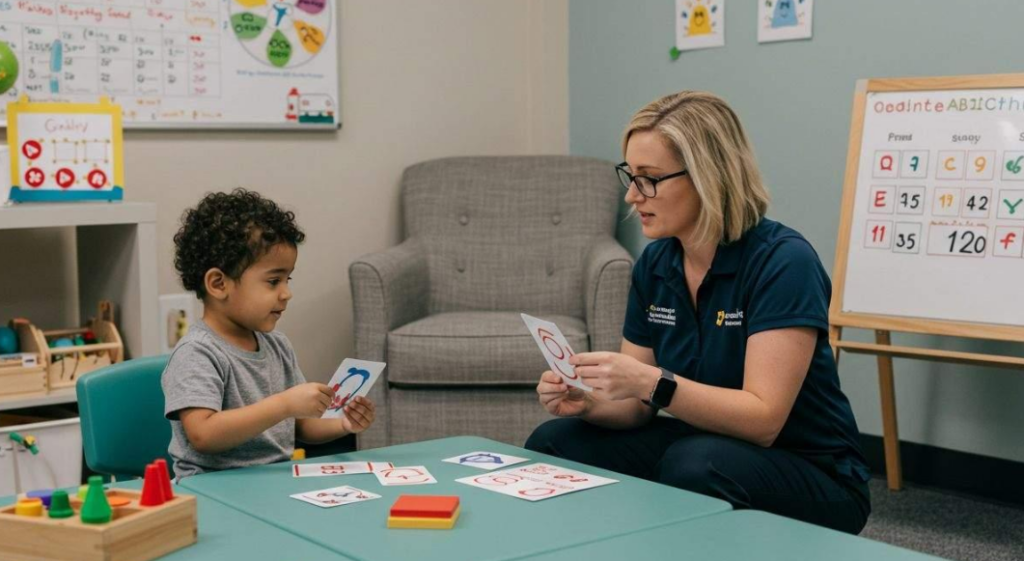
The first few years of a child’s life are a period of extraordinary brain development. During this time, children learn how to communicate, interact with others, solve problems, and understand the world around them. For children with Autism Spectrum Disorder (ASD), receiving the right support during these early years can make a lasting difference.
Research consistently shows that early intervention, ideally before the age of three, can significantly improve communication, learning, social interaction, adaptive behavior, and independence. Rather than changing who a child is, early intervention focuses on helping them build skills that support lifelong growth and participation.
The Growing Need for Behavioral Support in Schools
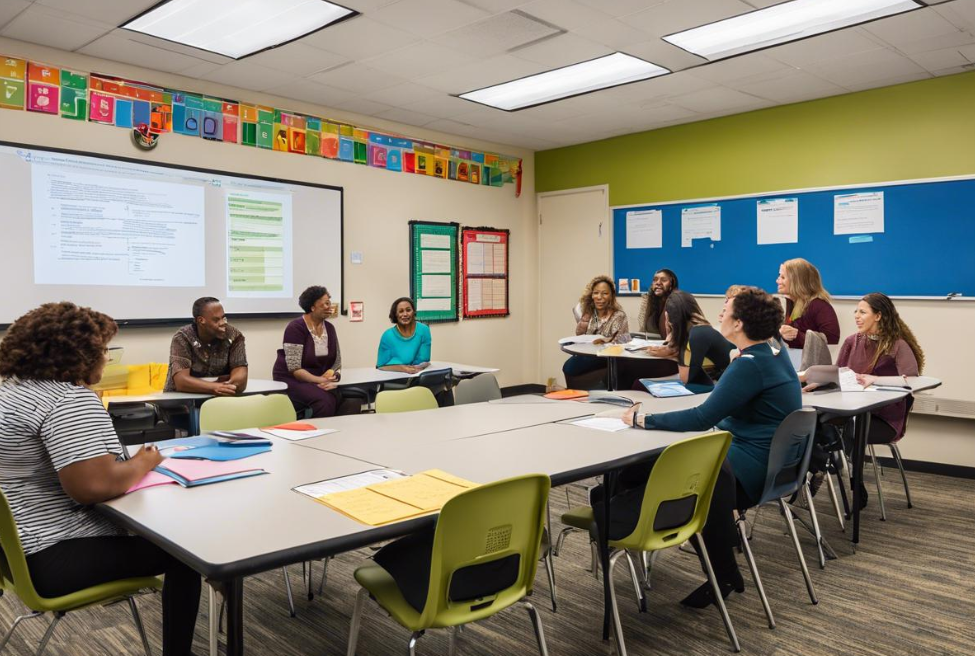
The number of students requiring behavioral and developmental support has increased in recent years. While teachers work tirelessly to meet diverse classroom needs, many have limited formal training in behavior analysis.
Without specialized support, schools often experience:
- Increased classroom disruptions
- Teacher stress and burnout
- Lower student engagement
- Difficulty implementing individualized education plans (IEPs)
- Challenges supporting inclusive classrooms
ABA-trained professionals help bridge this gap by providing practical, evidence-based strategies that improve learning outcomes for all students.
What Is an ABA-Trained Professional?
An ABA-trained professional understands how behavior is influenced by the environment and uses evidence-based techniques to teach meaningful skills.
These professionals may include:
- Board Certified Behavior Analysts (BCBAs)
- Registered Behavior Technicians (RBTs)
- ABA Technicians (ABATs)
- Special Educators with ABA training
- School Behavior Specialists
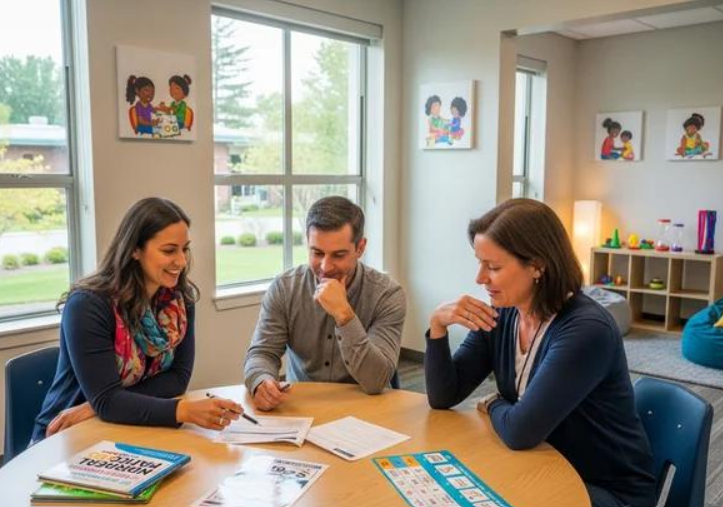
They work alongside teachers, parents, therapists, and school teams to create individualized support plans for students
How ABA Supports Inclusive Education
Modern ABA focuses on understanding why behaviors occur and teaching positive alternatives that help students succeed in school.
Key ABA strategies include:
Functional Behavior Assessment (FBA)
Identifies the purpose behind challenging behaviors.
Positive Reinforcement
Encourages appropriate behaviors by rewarding positive actions rather than relying on punishment.
Skill Development
Teaches communication, attention, social interaction, and classroom routines through structured learning.
Data Collection
Tracks student progress and helps educators make informed instructional decisions.
Benefits of ABA-Trained Professionals in Schools
1. Improved Academic Performance
Students are better able to focus, participate, and complete classroom activities when behavioral barriers are addressed.
2. Better Social and Communication Skills
ABA helps students develop:
- Peer relationships
- Turn-taking
- Classroom participation
- Functional communication
3. Reduced Challenging Behaviors
Evidence-based interventions reduce behaviors that interfere with learning while promoting positive classroom engagement.
4. Stronger Inclusive Classrooms
Students receive individualized support while participating alongside their peers, promoting meaningful inclusion.
5. Teacher Support
ABA professionals coach teachers, model intervention strategies, and assist with classroom behavior management.
6. Better Long-Term Outcomes
Consistent behavioral support can improve independence, educational achievement, and future employment opportunities.

The Shortage of ABA Professionals
Despite increasing demand, many schools face a shortage of qualified ABA professionals.
As a result, schools may experience:
- Limited behavioral expertise
- Long waiting periods for support
- Increased workload for teachers
- Inconsistent intervention strategies
Investing in ABA training and hiring qualified professionals helps schools provide timely and effective support for students who need it most.
How Schools Can Build ABA Capacity
Schools can strengthen their support systems by:
- Providing ABA training for teachers
- Hiring or consulting Board Certified Behavior Analysts (BCBAs)
- Integrating ABA strategies into MTSS and RTI frameworks
- Partnering with universities and ABA organizations
- Supporting ongoing professional development
- Advocating for resources and funding to expand behavioral services
Addressing Common Misconceptions
Some people believe ABA is rigid or focuses on changing a student’s personality.
Modern school-based ABA is:
- Student-centered
- Evidence-based
- Ethical
- Naturalistic
- Focused on functional skills
- Respectful of neurodiversity
The goal is to reduce barriers to learning while supporting each student’s strengths and independence.
Why ABA Training Matters for Educators
Teachers who understand ABA principles often feel more confident managing classroom behaviors and supporting diverse learners.
Benefits include:
- Better classroom management
- Improved student engagement
- Reduced teacher burnout
- Stronger collaboration with families
- More effective individualized support
Professional ABA training empowers educators to create positive and inclusive learning experiences.
Frequently Asked Questions
What is an ABA-trained professional?
An ABA-trained professional applies evidence-based behavior analysis techniques to improve communication, learning, and social skills while supporting positive behavior.
Why do schools need ABA professionals?
They help students with autism and other developmental needs succeed academically, socially, and behaviorally while supporting teachers and inclusive education.
Can general education teachers benefit from ABA training?
Yes. ABA strategies improve classroom management, student engagement, and individualized instruction for diverse learners.
Does ABA replace teachers?
No. ABA professionals collaborate with teachers, parents, therapists, and school teams to provide additional expertise and behavioral support.
Is ABA only for autism?
No. ABA principles can support students with ADHD, developmental delays, learning challenges, behavioral concerns, and other educational needs.

Build Stronger Schools Through ABA
Inclusive education is most successful when students, teachers, families, and behavioral professionals work together. Investing in ABA-trained professionals helps schools create supportive classrooms, improve student outcomes, reduce teacher stress, and promote meaningful participation for every learner.
As the need for specialized behavioral support continues to grow, expanding access to ABA expertise is not just beneficial—it is essential for the future of inclusive education.
Learn More About ABA Training
Interested in developing practical ABA skills for schools, clinics, or therapy settings?
Explore the QABA-approved ABA Technician (ABAT) Course offered by Dew Drops and Child Hub to gain evidence-based training, supervised fieldwork, and guidance from experienced professionals.