
Every Moment Counts in Early Childhood
The first few years of a child’s life are a period of extraordinary brain development. During this time, children learn how to communicate, interact with others, solve problems, and understand the world around them. For children with Autism Spectrum Disorder (ASD), receiving the right support during these early years can make a lasting difference.
Research consistently shows that early intervention, ideally before the age of three, can significantly improve communication, learning, social interaction, adaptive behavior, and independence. Rather than changing who a child is, early intervention focuses on helping them build skills that support lifelong growth and participation.
What Is Early Intervention?
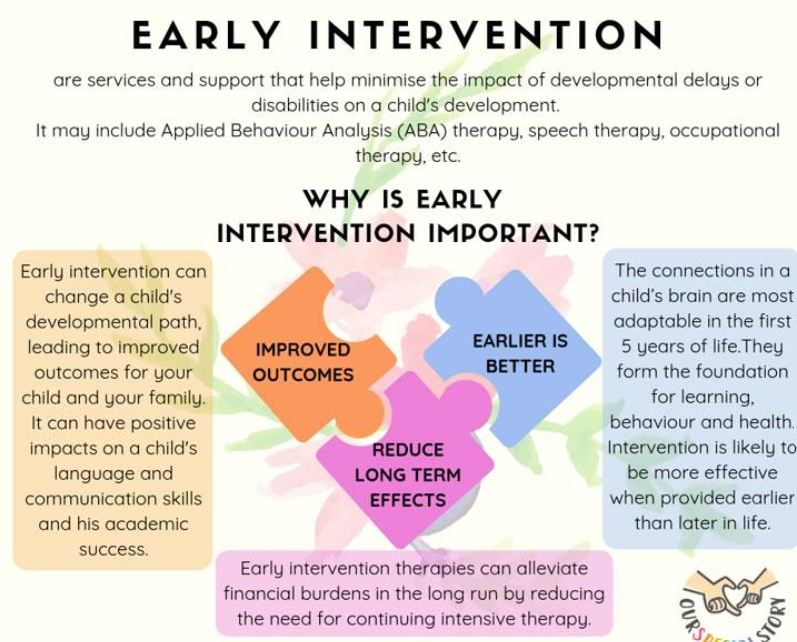
Early intervention refers to specialized therapies and developmental support provided to infants and young children who show developmental delays or have been diagnosed with autism. These services are designed to strengthen communication, social interaction, behavior, motor skills, and cognitive development during the years when the brain is most adaptable.
Common Early Intervention Services
Every child has unique strengths and needs, so therapy plans are individualized. Common evidence-based services include:
- Applied Behavior Analysis (ABA)
- Speech and Language Therapy
- Occupational Therapy
- Physical Therapy
- Developmental and play-based interventions
- Parent coaching and family support
Working together, these therapies help children develop practical skills that can improve everyday life.
Why the Early Years Matter
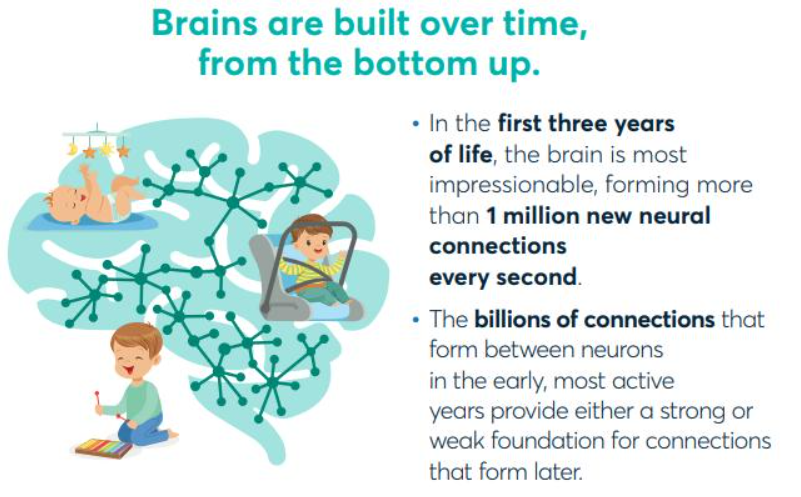
The human brain develops rapidly during the first three years of life. Because of this brain plasticity, young children can form new neural connections more easily than older children and adults.
When intervention begins early, children have greater opportunities to develop communication, learning, emotional regulation, and social skills that continue to benefit them throughout childhood and beyond.
Benefits of Early Intervention
Studies have shown that children who receive early support often experience improvements in several important developmental areas.
Better Communication
Children learn to express their needs through speech, gestures, pictures, or other communication methods.
Improved Social Skills
Therapy encourages eye contact, shared attention, turn-taking, and meaningful interaction with others.
Greater Independence
Daily living skills such as eating, dressing, and self-care become easier with structured learning.
Reduced Challenging Behaviors
As communication improves, frustration-related behaviors often decrease.
Long-Term Success
Some children make substantial developmental gains, while many continue to benefit through improved participation at home, school, and in the community.
Early Signs Parents Should Watch For
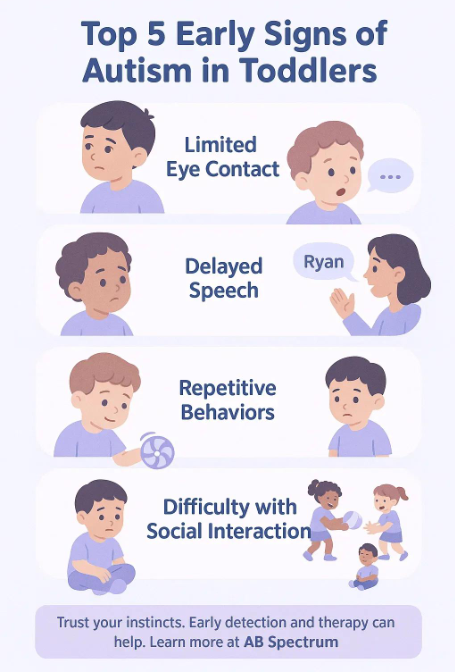
Every child develops differently, but parents should speak with a healthcare professional if they notice signs such as:
- Limited eye contact
- Not responding to their name
- Delayed speech or language
- Repetitive movements
- Strong preference for routines
- Limited pretend play
- Difficulty interacting with others
Early evaluation does not automatically mean a child has autism, but it helps families understand the best way to support development.
How Parents Can Get Started
If you have developmental concerns:
- Speak with your pediatrician.
- Request a developmental screening.
- Schedule a comprehensive evaluation if recommended.
- Begin evidence-based therapy as early as possible.
- Participate actively in therapy sessions and home practice.
Family involvement plays a major role in helping children generalize new skills across different environments.
Common Questions
Is early intervention only for children diagnosed with autism?
No. Children with developmental delays, communication challenges, or other developmental concerns may also benefit from early intervention services.
At what age should intervention begin?
As soon as developmental concerns are identified. Earlier intervention generally offers greater opportunities for learning during early brain development.
Will my child still need support later?
Every child is different. Some children require ongoing services, while others may need less support over time. Progress depends on individual strengths, goals, and consistent intervention.
Can parents help at home?
Yes. Practicing therapy strategies during everyday routines can reinforce learning and support continued progress.
Why Families Choose Early Intervention
Early intervention is not about changing a child’s personality—it’s about helping them develop communication, confidence, independence, and meaningful life skills. With timely support, individualized therapy, and active family participation, children have greater opportunities to thrive in school, at home, and in their communities.
Ready to Take the First Step?
If you’re concerned about your child’s development, don’t wait. Seeking professional guidance early can make a meaningful difference.
At Dew Drops ABA, our experienced team provides evidence-based early intervention programs, parent guidance, and individualized therapy plans designed to help every child reach their fullest potential.
Book a consultation today and learn how early intervention can support your child’s developmental journey.