
: Learn everything about Applied Behavior Analysis (ABA), including the ABC Model, seven dimensions, techniques, benefits, and how ABA helps children with autism and developmental disabilities.

What Is Applied Behavior Analysis (ABA)?
Applied Behavior Analysis (ABA) is one of the world’s most researched and evidence-based approaches for teaching meaningful skills and improving quality of life. ABA helps individuals learn communication, social interaction, self-care, academic readiness, and independence by understanding why behaviours happen and teaching positive alternatives.
Although ABA is widely known for supporting individuals with Autism Spectrum Disorder (ASD), it is also beneficial for children and adults with developmental delays, ADHD, intellectual disabilities, language delays, and behavioural challenges. Modern ABA is individualized, compassionate, and focused on helping each learner achieve their personal goals.
🖼️ Understanding ABA Therapy

How Does ABA Work?
ABA is based on understanding behaviour scientifically. Every behaviour has a reason, and by identifying what happens before and after a behaviour, therapists can teach more appropriate skills.
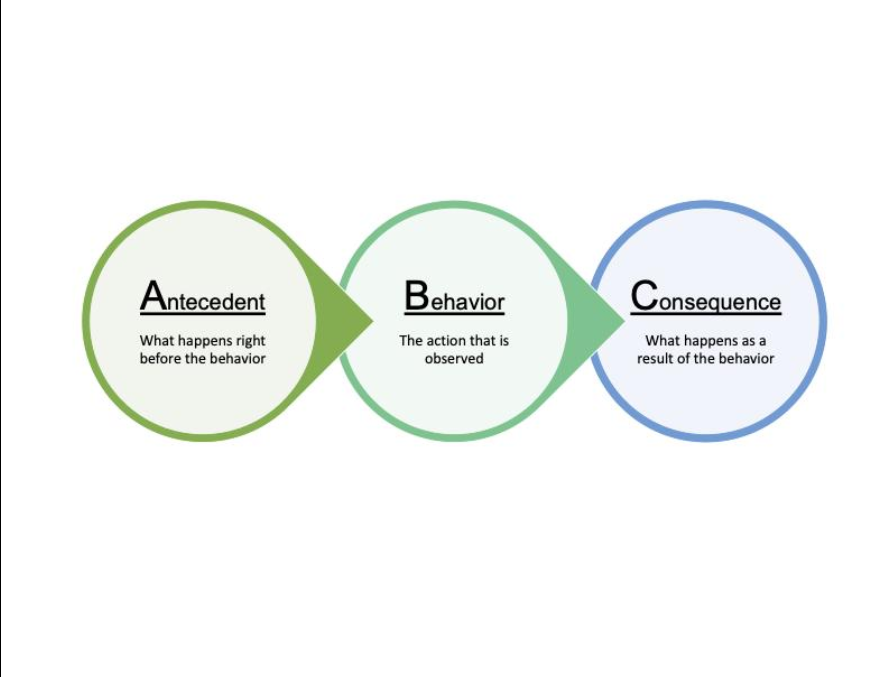
The foundation of ABA is the ABC Model:
Antecedent
What happens before the behaviour.
Example:
A teacher asks the child to complete a worksheet.
↓
Behavior
The observable action.
Example:
The child throws the worksheet.
↓
Consequence
What happens immediately afterward.
Example:
The teacher removes the worksheet.
By analyzing this cycle, therapists identify why behaviours occur and develop strategies that encourage positive, functional alternatives.
ABC Model
The Seven Dimensions of ABA
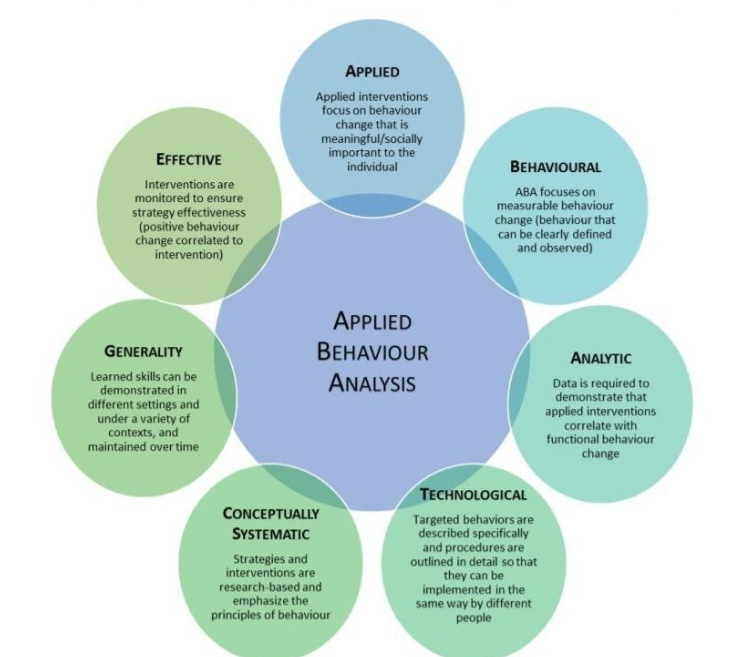
Quality ABA programs follow seven scientific principles developed by behavioural researchers.
These dimensions ensure therapy is ethical, measurable, and effective.
- Applied – Focuses on socially important skills.
- Behavioral – Measures observable behaviour.
- Analytic – Uses data to prove effectiveness.
- Technological – Procedures are clearly described.
- Conceptually Systematic – Based on behavioural science.
- Effective – Produces meaningful improvements.
- Generality – Skills continue across people and environments.
Common ABA Techniques
Every child learns differently. ABA professionals select teaching strategies based on the learner’s needs.
1. Discrete Trial Training (DTT)
Skills are broken into small, structured lessons using prompts and positive reinforcement.
2. Natural Environment Teaching (NET)
Learning occurs during play and everyday routines.
3. Pivotal Response Training (PRT)
Focuses on motivation and communication to improve multiple developmental skills.
4. Functional Communication Training (FCT)
Children learn appropriate ways to communicate instead of using challenging behaviours.
5. Prompting & Modeling
Therapists demonstrate skills while gradually reducing assistance.
6. Task Analysis & Chaining
Complex activities such as brushing teeth or tying shoes are divided into manageable steps.
Who Can Benefit from ABA?
ABA supports individuals across different developmental needs, including:
- Autism Spectrum Disorder (ASD)
- ADHD
- Developmental Delay
- Intellectual Disabilities
- Language Delay
- Behavioural Challenges
While early intervention often produces the greatest long-term outcomes, ABA can benefit children, adolescents, and adults by building practical life skills and increasing independence.
Benefits of ABA Therapy
Research has shown that high-quality ABA programs can improve:
- Communication and language
- Social interaction
- Daily living skills
- Academic readiness
- Emotional regulation
- Attention and focus
- Independent functioning
- Reduction in challenging behaviours
Is Modern ABA Ethical?
Today’s ABA is very different from early approaches used decades ago.
Modern evidence-based ABA focuses on:
- Positive reinforcement
- Respect for neurodiversity
- Individualized goals
- Family collaboration
- Natural learning opportunities
- Functional communication
- Improving quality of life
Ethical ABA aims to teach meaningful skills while respecting each individual’s personality, preferences, and dignity.
How to Start ABA Therapy
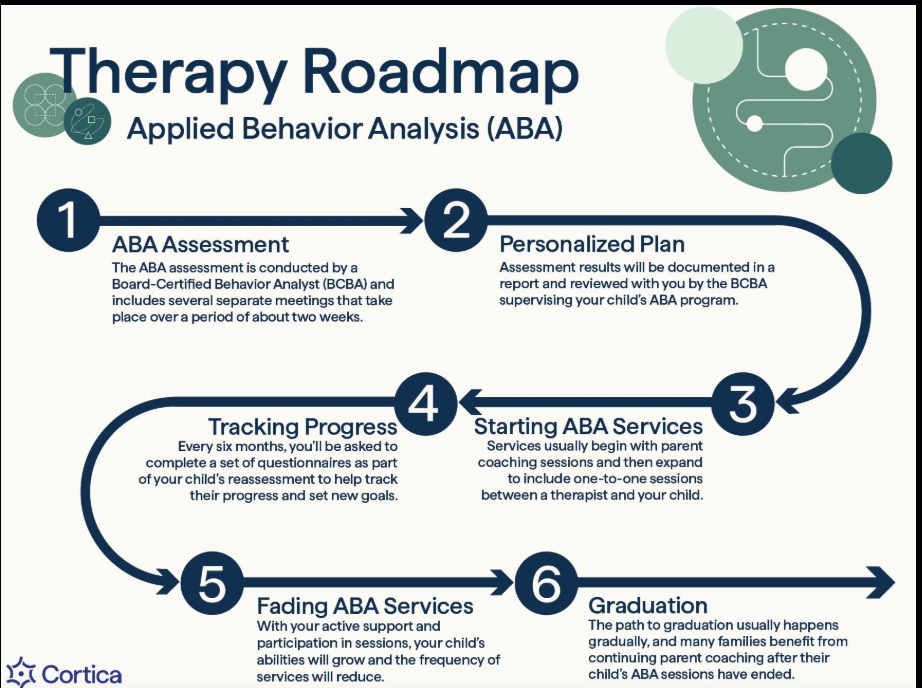
If you’re considering ABA, follow these steps:
- Schedule a developmental evaluation.
- Meet with a qualified BCBA or ABA professional.
- Complete a behaviour assessment.
- Develop individualized therapy goals.
- Begin structured intervention.
- Monitor progress using data.
- Review and adjust goals regularly.
🖼️ Therapy Journey
Conclusion
Applied Behavior Analysis is one of the most effective evidence-based approaches for helping individuals develop meaningful skills that improve everyday life. Whether it’s communication, independence, emotional regulation, or social interaction, ABA provides structured, individualized support based on scientific principles and compassionate care.
For parents, educators, therapists, and students, understanding ABA is the first step toward creating a supportive environment where every individual has the opportunity to learn, grow, and succeed.