Discover how Applied Behavior Analysis (ABA) supports inclusive education by improving communication, classroom participation, social skills, and academic success for all learners.
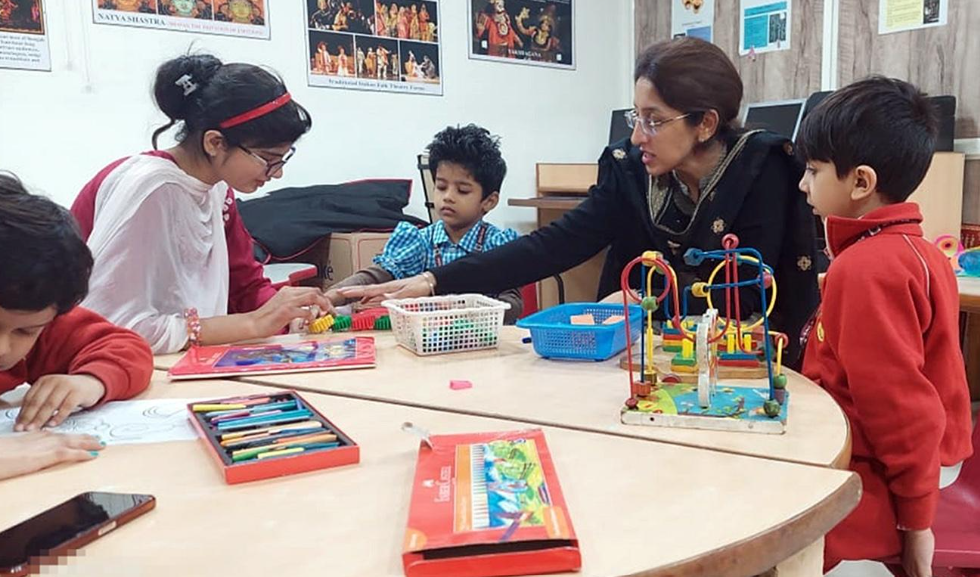
How ABA Supports Inclusive Education
Inclusive education ensures that students of all abilities learn together in the same classroom while receiving the individualized support they need to succeed. It goes beyond simply placing students with disabilities in mainstream classrooms—it focuses on creating an environment where every learner feels valued, included, and empowered.
Applied Behavior Analysis (ABA) plays a vital role in making inclusive education successful. Through evidence-based strategies, ABA helps students build communication, social, academic, and self-management skills while supporting teachers in creating structured and engaging classrooms. These approaches benefit students with Autism Spectrum Disorder (ASD), ADHD, developmental delays, and many other learning differences, while also improving the learning experience for the entire class.

What Is Inclusive Education?
Inclusive education means that students with and without disabilities learn together in the least restrictive environment while receiving appropriate support to participate meaningfully in classroom activities.
A truly inclusive classroom encourages:
- Equal learning opportunities
- Peer collaboration
- Individualized instruction
- Respect for diversity
- Meaningful participation
- Positive classroom culture
Instead of separating students based on their abilities, inclusive education focuses on helping every learner achieve their full potential alongside their peers.
Why ABA Is Essential for Inclusive Classrooms
Applied Behavior Analysis is the science of understanding behavior and using evidence-based teaching methods to improve meaningful skills.
In schools, ABA helps by:
- Teaching positive behaviors
- Improving communication
- Reducing learning barriers
- Encouraging independence
- Supporting emotional regulation
- Increasing classroom participation
Rather than removing students from the classroom, modern ABA equips them with the skills they need to participate successfully in general education settings.
How ABA Aligns with Inclusive Education Goals
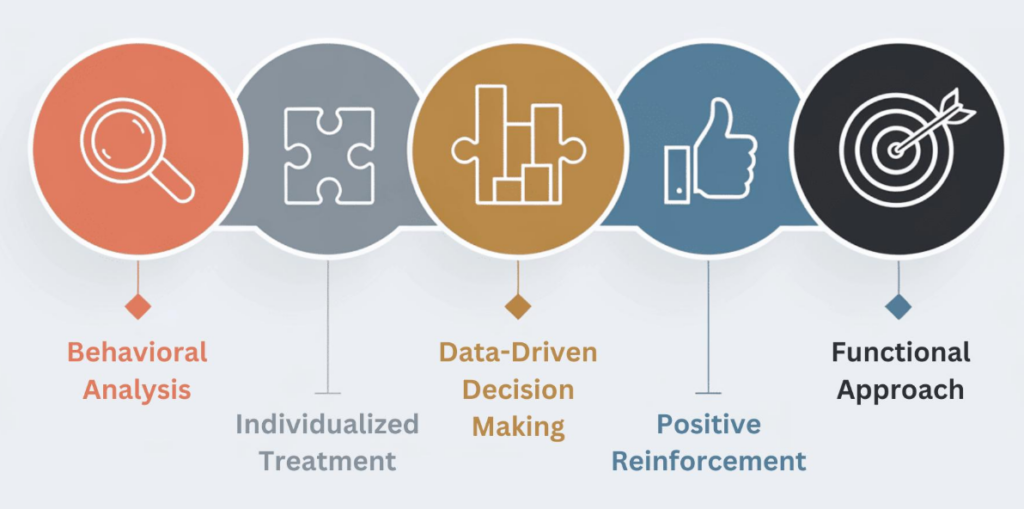
ABA supports inclusion because it focuses on teaching skills systematically while adapting instruction to each learner’s needs.
Key ABA principles include:
- Behavior is learned and can be taught.
- Every behavior has a purpose.
- Skills can be broken into manageable steps.
- Positive behaviors are reinforced.
- Progress is measured using data.
These principles create classrooms where students receive consistent support while developing independence and confidence.
1. Positive Reinforcement
Recognizing and rewarding positive behaviors encourages students to repeat them.
Examples include:
- Verbal praise
- Reward charts
- Classroom points
- Stickers
- Preferred activities
Positive reinforcement motivates students while building self-confidence.
2. Visual Supports
Visual supports help students understand routines and reduce anxiety.
Examples include:
- Daily schedules
- Visual timers
- First-Then boards
- Classroom rule charts
- Choice boards
These tools improve transitions and classroom independence for many learners.
3. Task Analysis
Large tasks become easier when divided into smaller, achievable steps.
For example:
Science Project
- Choose topic
- Gather materials
- Complete research
- Prepare presentation
- Present to class
Breaking activities into manageable steps reduces frustration and increases success.
4. Prompting and Fading
Teachers provide temporary support through:
- Gestures
- Verbal cues
- Visual reminders
- Physical guidance (when appropriate)
Support is gradually reduced as students become more independent.
5. Functional Communication Training
Instead of reacting to challenging behavior, ABA teaches students effective ways to communicate their needs.
Examples:
- Asking for help
- Requesting a break
- Expressing emotions
- Requesting preferred activities
Improved communication reduces frustration and increases classroom participation.
6. Social Skills Instruction
ABA teaches important social skills including:
- Greeting others
- Turn-taking
- Sharing
- Conversation skills
- Teamwork
- Problem-solving
These skills help students develop meaningful friendships and participate confidently in classroom activities.

7. Data-Based Decision Making
Teachers can monitor progress using:
- ABC observation charts
- Behavior frequency counts
- Skill checklists
- Progress tracking forms
Collecting simple data helps educators evaluate strategies and make informed instructional decisions.

Benefits of ABA in Inclusive Education
Students who receive appropriate ABA support often demonstrate improvements in:
- Communication skills
- Social interaction
- Academic participation
- Classroom behavior
- Emotional regulation
- Daily living skills
- Independence
- Peer relationships
These improvements help students participate more fully in general education settings and reduce barriers to learning.
Benefits for the Entire Classroom
ABA strategies benefit every student—not only those with identified disabilities.
Schools often observe:
- Increased classroom engagement
- Better academic focus
- Fewer disruptions
- Stronger peer relationships
- Improved teacher confidence
- More positive classroom culture
Structured routines and positive reinforcement create learning environments where everyone can succeed.
Collaboration Is the Key to Success
Successful inclusion depends on teamwork.
Effective collaboration includes:
- Classroom teachers
- Special educators
- ABA professionals
- Speech-language pathologists
- Occupational therapists
- Families
Working together ensures students receive consistent support across home and school while promoting long-term success.
Practical Tips for Teachers
Teachers can begin supporting inclusion today by:
- Using positive reinforcement consistently
- Displaying visual schedules
- Breaking tasks into smaller steps
- Teaching social skills explicitly
- Collecting simple classroom data
- Collaborating with specialists and families
Small, consistent changes often lead to meaningful improvements in classroom behavior and learning outcomes.
Frequently Asked Questions
What is inclusive education?
Inclusive education allows students with and without disabilities to learn together while receiving individualized support that promotes equal participation.
How does ABA support inclusive classrooms?
ABA provides evidence-based strategies such as positive reinforcement, visual supports, task analysis, prompting, and social skills instruction that help students succeed in general education settings.
Is ABA only for students with autism?
No. ABA strategies benefit students with ADHD, developmental delays, learning disabilities, behavioral challenges, and many typically developing learners.
Can teachers use ABA without certification?
Yes. Many classroom ABA strategies can be implemented after professional development and collaboration with qualified behavior specialists.
Why is collaboration important?
Working together with families, teachers, therapists, and behavior professionals ensures consistent support and better outcomes for students.
Final Thoughts
Inclusive education is most successful when every learner receives the support they need to participate, grow, and achieve. Applied Behavior Analysis provides educators with practical, evidence-based strategies that build communication, independence, positive behavior, and meaningful participation in the classroom.
By combining positive reinforcement, visual supports, structured teaching, and collaborative planning, schools can create learning environments where students with autism and other developmental differences thrive alongside their peers. These same strategies also strengthen classroom culture, improve teacher confidence, and enhance learning outcomes for every student.
Ready to Build More Inclusive Classrooms?
Whether you’re a teacher, therapist, school leader, or parent, learning ABA strategies can help create classrooms where every child feels supported and included.
Explore the QABA-approved ABA Technician (ABAT) Course by Dew Drops and Child Hub to gain practical, evidence-based skills that support inclusive education and student success.