

What You’ll Learn
- What is a BCBA?
- What does a BCBA do?
- Why is BCBA supervision essential?
- Why BCBA-led ABA therapy is considered the gold standard
- Why families trust Dew Drops
Understanding the Role of a BCBA
Applied Behavior Analysis (ABA) is one of the most evidence-based interventions for children with Autism Spectrum Disorder (ASD). Behind every successful ABA program is a highly trained clinical professional known as a Board Certified Behavior Analyst (BCBA).
A BCBA is responsible for assessing each child’s strengths and challenges, designing individualized treatment plans, supervising therapists, monitoring progress through data analysis, and coaching parents so that skills learned during therapy carry over into everyday life.
Unlike general therapy supervision, BCBA oversight ensures that every decision is supported by scientific evidence and adjusted according to the child’s progress.
What Does a BCBA Do?
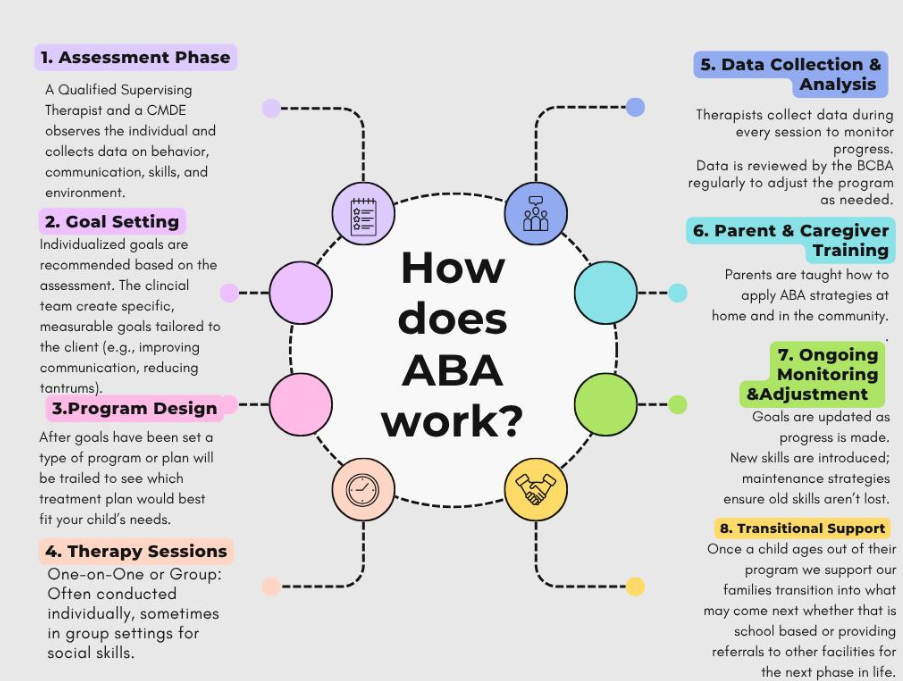
A BCBA’s responsibilities typically include:
- Comprehensive behavioral assessment
- Individualized treatment planning
- Goal setting
- Supervision of ABA therapists
- Data collection and analysis
- Parent and caregiver training
- Program modifications based on progress
- Ethical and evidence-based clinical decision-making
How ABA Therapy Works Under a BCBA
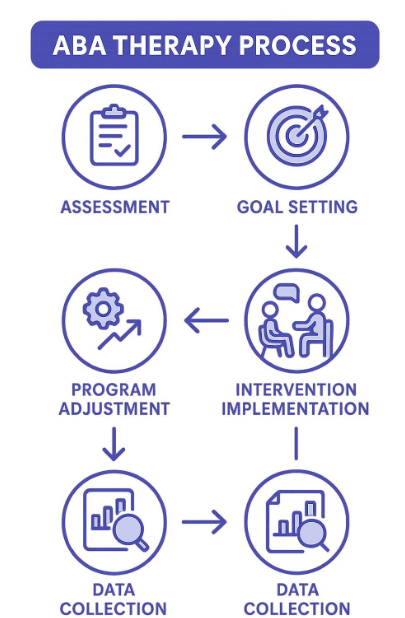
Every child follows a structured clinical pathway:
- Initial assessment
- Functional behavior analysis
- Individualized therapy plan
- One-to-one ABA sessions
- Continuous data collection
- BCBA review and program updates
- Parent training
- Skill generalization at home and school
This ongoing cycle helps ensure therapy remains effective and adapts to the child’s changing needs.
Why Is a BCBA Considered the Gold Standard?
A BCBA represents internationally recognized expertise in behavior analysis. Their certification demonstrates advanced training in assessment, behavior science, ethics, treatment design, and clinical supervision.
BCBA-led ABA programs are valued because they emphasize:
- Personalized intervention plans
- Evidence-based decision-making
- Continuous progress monitoring
- Ethical clinical practice
- Parent involvement
- Measurable outcomes
BCBA vs ABA Therapist
| BCBA | ABA Therapist |
|---|---|
| Conducts assessments | Delivers therapy sessions |
| Designs treatment plans | Implements BCBA-designed plans |
| Analyzes progress data | Records session data |
| Supervises therapists | Works directly with children |
| Trains families | Supports daily skill practice |
| Modifies programs | Follows clinical guidance |
Both roles are essential, but the BCBA provides the clinical leadership that guides the therapy program.
Why Clinical Supervision Matters
Children grow and change over time. A treatment plan that works today may need adjustment in a few months. Regular BCBA supervision helps ensure goals remain appropriate, progress is carefully measured, and interventions are refined as the child’s skills develop.
This ongoing clinical oversight contributes to more consistent, individualized care.
Dew Drops’ Commitment to Quality ABA Therapy
At Dew Drops Child Development Centre, ABA therapy programs are managed under the clinical leadership of Dr. Alpa, BCBA (Board Certified Behavior Analyst). Families receive individualized assessments, structured intervention planning, ongoing progress reviews, and evidence-based clinical supervision designed to support each child’s unique developmental journey.